Quick Answer
Physical symptoms like slipping gears, rough shifting, and delayed engagement strongly indicate transmission trouble. Also watch for visible fluid leaks, burning smells, unusual grinding noises, and illuminated dashboard warning lights. If you notice any of these warning signs, your truck needs immediate professional service to prevent severe mechanical damage.
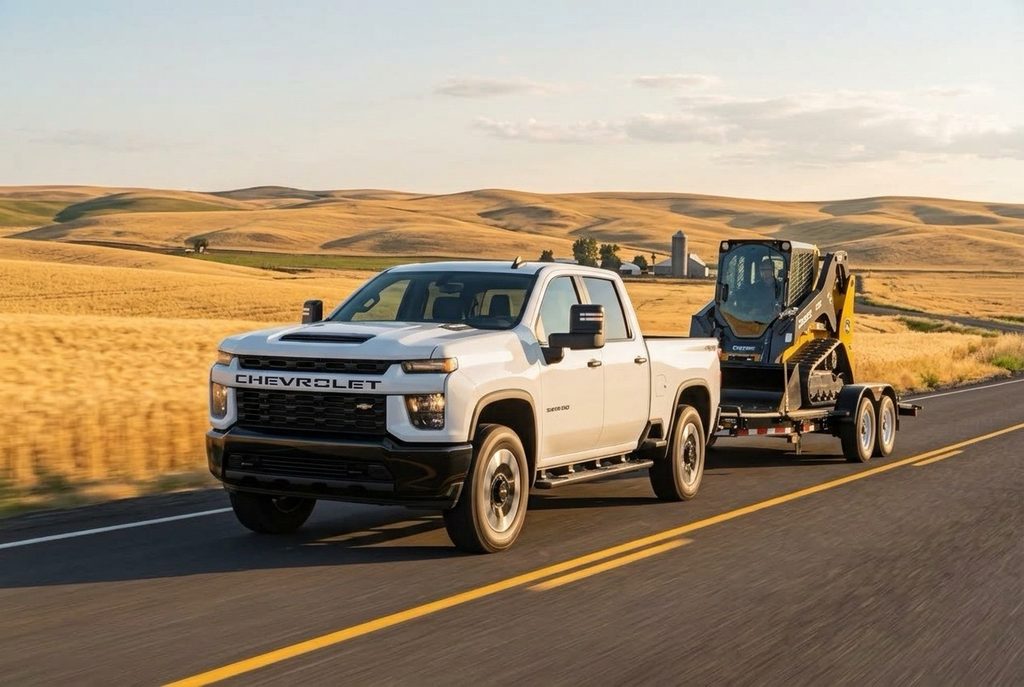
Farm trucks play a vital role in daily agricultural operations, consistently carrying heavy loads across challenging terrains. This constant heavy-duty use puts substantial strain on mechanical components, particularly the vehicle’s transmission. When wear or malfunction goes unnoticed, problems can quickly escalate. Nobody wants that, for sure. Sudden breakdowns can cause major schedule disruptions and costly financial setbacks. Ignoring early transmission warning signs will only lead to complex, high-cost repairs down the line, compromising both the truck’s reliability and its operational readiness.
To safeguard productivity and keep maintenance expenses manageable, preventing major breakdowns is a MUST. Spotting transmission service signs early can give operators time to schedule professional service before small problems become major failures. This proactive approach can reduce safety risks and prevent complete mechanical failure, keeping the truck a reliable working asset. Ready to know every indicator of transmission trouble? Just keep scrolling for pro insights!
Key Takeaways
- Transmissions convert engine power into controlled vehicle motion by shifting gear ratios to optimize efficiency.
- Physical symptoms like slipping gears, delayed engagement, or harsh vibrations indicate mechanical wear or internal trouble.
- Auditory warnings, such as metallic grinding or high-pitched whining, often point to worn components or low fluid.
- Maintaining fluid health is critical; leaks, discoloration, or burnt odors can quickly lead to severe system failure.
- Dashboard alerts and protective systems like “limp-home mode” signal serious issues that require immediate professional inspection.
- Following scheduled maintenance, adjusting for heavy-duty use, and adopting smooth driving habits greatly extend transmission life.
Understanding How Your Truck Transmissions Work
At its core, your truck’s transmission translates engine power into the controlled motion that moves your vehicle.
The Mechanism
Transmissions convert engine energy into controlled motion by shifting gear ratios. This allows your engine to operate efficiently, whether you are starting from a stop, climbing a steep grade, or cruising on the highway. A transmission multiplies torque in lower gears to propel thousands of pounds from a standstill and reduces engine RPM in higher gears during highway travel, lowering mechanical wear and saving fuel.
● Automatic vs. Manual
Manual gearboxes require drivers to manually operate a clutch and shifter, putting gear selection directly in your control. This system relies on a flywheel, pressure plate, and friction clutch disc to connect and disconnect the engine from the transmission.
Automatic units, on the other hand, use hydraulic systems, sensors, and torque converters to manage gear changes without manual input. The torque converter uses fluid to transfer rotational force from the engine to the transmission, allowing the engine to idle while the truck stays stationary in gear.
● Other Variations
Beyond manual and automatic, you might encounter other transmission types. Dual-clutch, continuously variable (CVT), and single-speed electric vehicle configurations utilize unique pulley or gear designs to deliver engine power efficiently. Each system connects your engine’s power to the wheels in a distinct way.
Physical Sensations and Shift Problems
Sometimes, your truck might give you clues about transmission issues through how it feels. Watch out for these tactile warning signs.
● Gear Slipping and Engine Revving
The truck unexpectedly drops into neutral, shifts between gears on its own, or the engine revs high without increasing vehicle speed. This indicates the transmission isn’t properly engaging gears, a common sign of internal trouble.
● Hesitation and Delayed Gear Engagement
Experiencing a multi-second pause, lag, or hard clunk when moving the selector from “Park” to “Drive” or “Reverse”. This delay means the transmission takes too long to engage, often pointing to fluid pressure or internal component wear.
● Rough or Violent Shifting
Jerking, lurching, or harsh shuddering whenever the transmission changes gears under load or acceleration. Smooth transitions are key for a healthy transmission, so rough shifts signal a problem that needs attention.
● Shaking and Harsh Vibrations
Feeling a steady vibration or trembling originating beneath the cab floor during normal driving. Vibrations can stem from several vehicle issues, but if it feels tied to gear changes or speed, the transmission could be the cause.
● Manual Gear Resistance and Dragging Clutch
Difficulty pushing the shifter into gear, gear clashing, or a clutch pedal that fails to fully disengage the friction plate from the flywheel. These symptoms usually suggest clutch issues or internal synchronizer wear that affects smooth gear engagement.
While You Are Here: Insert Link w/ Title
Auditory Warning Signals
Your ears are important tools for detecting transmission problems. Listen closely for any unusual noises coming from your setup.
● Grinding Sounds
Harsh metallic crunching or grinding noises while changing gears in manual or automatic gearboxes. Grinding can point to worn synchronizers in a manual transmission or gear wear in an automatic.
● Whining, Humming, or Buzzing
High-pitched or steady droning sounds that increase in pitch alongside engine speed or vehicle motion. These sounds might suggest low fluid levels, worn bearings, or other internal component issues.
● Noises While in Neutral
Unusual whirring, ticking, or clunking sounds coming from the transmission area while the vehicle sits stationary in neutral. A healthy transmission should be relatively quiet in neutral, so unexpected noises indicate a problem that needs checking.
Fluid Health, Leaks, and Temperature Issues
Your transmission fluid is the system’s lifeblood. Now that means its condition and level are crucial for proper function.
● Visible Fluid Leaks
Look for pools or droplets of bright red or dark brown liquid under the center of the parked truck. Any leak suggests a breach in the transmission’s sealed system, and low fluid levels can quickly cause severe damage.
● Burnt Smell
A sharp, bitter, or acrid odor inside or around the vehicle can come from overheated transmission fluid. Overheating is a critical sign of transmission problems, often linked to excessive friction or fluid breakdown.
● Fluid Discoloration and Contamination
Fluid that appears dark brown, black, or cloudy on the dipstick rather than clear red, or contains fine metallic particles. Clean, red fluid indicates good health. Dark or contaminated fluid means it’s breaking down, carrying debris, and losing its protective qualities.
● Risks of Low Fluid
Low fluid levels can cause hydraulic pressure loss, gear slippage, severe internal friction, and rapid component damage. When fluid levels are too low, parts don’t get the lubrication or hydraulic force they need, leading to rapid wear and potential system failure. Only use high-quality, manufacturer-approved fluids and parts. Using the wrong fluid can lead to serious consequences, including gear slipping, overheating, and pressure loss, ultimately costing more in repairs down the road.
Read Next: Insert Link w/ Title
Dashboard Alerts and Computer Indicators
Modern trucks use sophisticated computer systems to monitor their components. Take these warnings seriously.
● Check Engine Light
The vehicle’s onboard sensors detect early gear timing variations or pressure irregularities. Even though it’s a general warning, a lit Check Engine light can often signal transmission-related issues that need immediate inspection.
● Dedicated Transmission Warning Lights
Specific dashboard symbols illuminate when the system overheats or a hydraulic failure occurs. These lights directly warn that your transmission has a serious problem and needs prompt professional attention.
● Limp-Home Mode
The vehicle locks itself into a single forward gear to shield delicate internal parts from catastrophic failure. This mode is a protective measure, designed to let you drive cautiously to a service center while preventing further damage.
Preventive Maintenance and Proactive Care
Preventive steps are the best way to avoid costly repairs down the road, especially for trucks working hard across Eastern Washington.
● Stick to Service Schedules
Change transmission fluids and internal filters according to manufacturer guidelines. Regular fluid changes remove contaminants and replenish crucial additives, significantly extending your transmission’s life. Speck Family Dealerships are here to help you follow your vehicle’s specific service calendar.
● Account for Severe Farm Duty
Shorten maintenance intervals due to heavy towing, hauling cargo, stop-and-go driving, and extreme weather. If your truck often hauls across farmland, navigates bustling city traffic, or endures harsh winters, its transmission works harder. Adjusting service intervals accordingly helps a truck handle the extra stress.
● Adopt Protective Driving Habits
Bring the truck to a complete stop before switching between “Drive” and “Reverse,” use the parking brake on hills, and warm up the vehicle in cold conditions. Also, avoid aggressive driving, such as hard launches or sharp shifts. If you’re stopped in traffic for more than a minute, shifting into Neutral reduces hydraulic load and helps your transmission last longer. Remember, smoothness is a transmission’s best friend.
Diagnostic Inspections and Transmission Repair in Washington State
Postponing a professional inspection when symptoms emerge can turn minor sensor replacements or fluid leaks into full rebuilds. At Speck Family Dealerships, the service process begins with a full diagnostic evaluation, providing clear findings before any work begins, along with transparent pricing and no surprise charges.
Transmission services are available at our Washington state locations in Prosser, Pasco, Sunnyside, and Kennewick. Drivers who are looking for certified technicians, factory-grade diagnostic scanners, and genuine OEM parts can schedule service at any of our following dealership locations:
- Location: 9610 Sandifur Pkwy, Pasco, WA 99301
Service Department: 509-591-4156
Parts Department: 509-591-4155
Sales: 509-740-0295
Specialties: Comprehensive transmission diagnostics, GM genuine fluid flushes, clutch and torque converter repair, multi-point vehicle inspections, and OEM GMC and Buick parts.
- Location: 630 Wine Country Rd, Prosser, WA 99350
Service Department: 509-231-7642
Parts Department: 509-231-7670
Sales: 509-224-2093
Specialties: Heavy-duty truck transmission service, OEM Ford parts, leak detection, drivetrain servicing, and complete computerized transmission diagnostics.
- Location: 2910 W Clearwater Ave, Kennewick, WA 99336
Service Department: 509-715-0714
Parts Department: 509-715-0736
Sales: 509-715-0565 | Main: 509-542-0234
Specialties: Hyundai automatic, manual, and dual-clutch transmission service, electronic control module calibration, fluid exchanges, and warranty repair work.
- Location: 125 E Allen Rd, Sunnyside, WA 98944
Service Department: 509-402-2588
Parts Department: 509-402-2756
Sales: 509-402-2705 | Commercial: 509-402-2341
Specialties: Complete transmission flushes, external seal replacements, manual clutch assembly overhaul, Mopar parts, and commercial vehicle drivetrain services.
Frequently Asked Questions (FAQs)
● What are the signs that a transmission needs service?
Common warning signs include slipping gears, delayed shifting response, unusual noises like whining or clunking, and burning odors coming from the vehicle. You may also notice fluid leaks underneath your car, persistent cabin shuddering, or an illuminated check engine or transmission light on the dashboard.
● How do I know if my transmission is going bad?
A failing transmission typically displays severe symptoms such as refusing to engage or shift into gear properly. You will also notice sudden RPM spikes without acceleration, harsh metallic grinding sounds, or dark, burnt-smelling fluid.
● What does a slipping transmission feel like?
When a transmission slips, stepping on the gas pedal makes the engine rev loudly and the tachometer needle spike, but the vehicle hesitates to pick up speed. The overall sensation often feels like driving over a patch of slick ice, where the engine works harder while momentum lags or the vehicle unexpectedly drops into neutral.
● How often should a transmission be serviced?
Routine service intervals generally range from 40,000 to 100,000 kilometers (30,000 to 60,000 miles) for automatic gearboxes and 50,000 to 90,000 kilometers (30,000 to 50,000 miles) for manual units. Vehicles subjected to heavy towing, extreme temperatures, or frequent stop-and-go city traffic often require more frequent maintenance schedules.
● Can low transmission fluid cause shifting problems?
Yes, low fluid directly causes shifting issues because automatic systems rely on steady hydraulic line pressure to operate internal shift mechanisms. Low levels reduce clutch-clamping force, cause severe shift delays, create erratic gear engagement, and accelerate overheating.
Bottom Line
Your farm truck is your most trusted tool on the job, and it deserves a drivetrain that won’t quit when the workload gets heavy. Identifying transmission service signs early often makes the difference between a simple maintenance stop and a costly mechanical overhaul. Protect your investment and keep your vehicle field-ready with proactive care and expert inspections that will keep you moving across the Washington terrain.
For expert assistance in understanding your vehicle’s unique needs or keeping it running strong, visit your local Speck Dealership service center. We’re here to help you get the most out of every mile. Explore our inventory online today!
