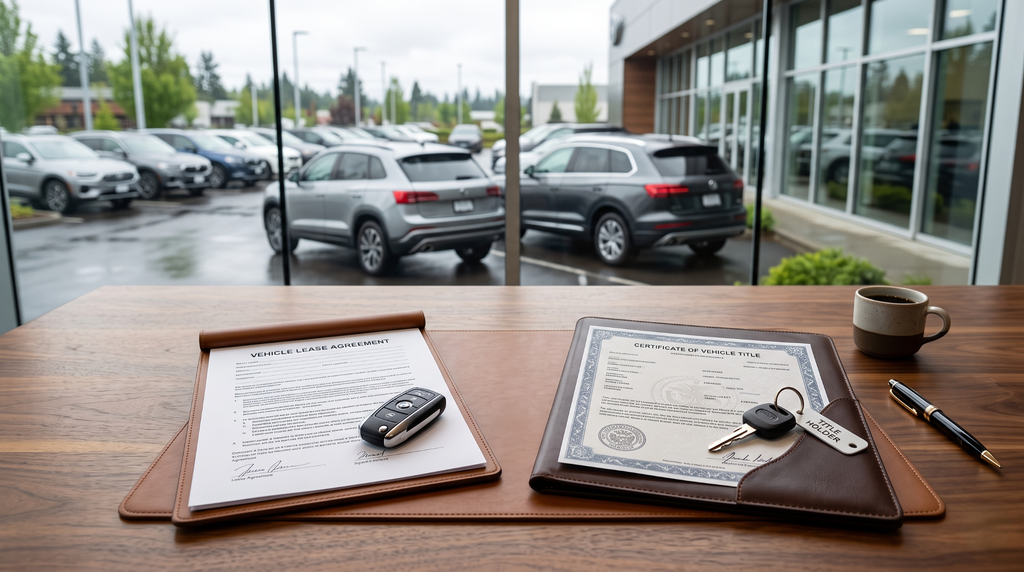
Whether you should lease or buy a vehicle depends on your driving habits, budget, and long-term goals. Leasing may suit drivers who prefer newer vehicles and lower short-term commitments, while buying is often better for those who want long-term ownership, fewer mileage restrictions, and eventual equity in the vehicle.
Understanding the financial mechanics of each option ensures you do not overpay for your daily commute. In 2026, shifting automotive market conditions and regional economic factors make a careful cost-benefit analysis essential. This comprehensive guide breaks down monthly payments, hidden ownership costs, and regional considerations to help Washington drivers determine which option provides the highest real-world savings.
Why This Matters for Washington Drivers
Washington motorists experience driving conditions that directly impact vehicle depreciation and operational costs. Commuters navigating the heavy traffic corridors of western Washington accumulate mileage patterns that differ drastically from drivers covering expansive agricultural highways across the Tri-Cities and Yakima Valley. Because these driving environments vary so much, picking the wrong financing structure can lead to costly penalties or unexpected out-of-pocket expenses down the line.
Furthermore, state-specific tax laws play a significant role in your final out-of-pocket numbers. According to the structural guidelines set by the Washington Department of Revenue, sales tax is applied differently depending on your contract. When you buy a vehicle, you pay sales tax upfront on the entire purchase price. When you lease, you are only taxed on your monthly payment amount throughout the lease duration. Aligning these tax differences with your historical vehicle replacement schedule can alter your total ownership costs by thousands of dollars.
The Economics of Automotive Leasing
Lower Initial and Monthly Outlays
Leasing is essentially a long-term rental arrangement where you pay for the vehicle’s projected depreciation over a set timeframe, typically lasting two to three years. Because you are not paying for the entire structural equity of the machine, your upfront down payment and ongoing monthly costs are significantly lower than conventional financing. This financial structure allows drivers to keep more cash liquid while staying behind the wheel of a modern, highly reliable vehicle.
Predictable Maintenance Under Factory Warranty
One of the largest hidden financial advantages of leasing is the comprehensive structural protection provided by a manufacturer warranty. Most lease terms align precisely with the vehicle’s bumper-to-bumper warranty period. This means that if a complex electrical component or powertrain system fails, the repair cost is fully covered by the manufacturer. Drivers who prefer a highly predictable monthly transportation budget without the risk of surprise mechanical bills find great financial peace of mind in leasing.
Navigating Strict Mileage Restrictions
The primary trade-off for lower monthly payments is the inclusion of strict annual mileage caps, which usually range from 10,000 to 15,000 miles per year. If you exceed these contractual boundaries, you face expensive excess mileage fees upon vehicle turn-in. For long-distance commuters or families who regularly enjoy outdoor recreation across the Cascade Mountains, tracking mileage limits requires consistent discipline to prevent end-of-term financial penalties. The only way you get the penalties, though, is if you simply turn it in. You could buy it, or trade it in for something else to avoid the fees.
The Realities of Vehicle Ownership
Building True Long-Term Equity
When you choose conventional vehicle financing, every payment you make builds actual cash equity in a physical asset. Once your auto loan is fully satisfied, your monthly payments drop to zero, allowing you to enjoy years of payment-free driving. Over a multi-year ownership cycle, keeping a well-maintained vehicle on the road long after the loan is paid off represents the absolute highest financial savings possibility for a driver.
Total Freedom of Operation
Buying a vehicle eliminates all mileage boundaries and cosmetic restrictions completely. You can drive across the state as often as you like without calculating a mileage budget. Furthermore, owners can freely customize their vehicles with specialized cargo racks, upgraded wheels, or utility accessories. When it comes time to upgrade down the line, the remaining trade-in value belongs entirely to you, providing a substantial down payment toward your next vehicle purchase.
Managing Extended Maintenance Responsibilities
The financial downside to conventional ownership appears once the initial factory warranty period expires. As a vehicle ages and mileage accumulates, the owner assumes full financial responsibility for all routine maintenance costs and major mechanical repairs. Budgeting for items like new tires, brake pad replacements, and fluid flushes is necessary to protect the vehicle’s structural integrity and maintain its long-term resale value.
Head-to-Head Comparison Metrics
| Financial Factor | Automotive Leasing | Conventional Buying |
| Monthly Payment Size | Typically 30% to 50% lower | Higher initial capital required |
| Long-Term Vehicle Equity | None (Vehicle returned to dealer) | High (You own the remaining asset value) |
| Mileage Restrictions | Strict caps (Fees for overage) | Unlimited operational freedom |
| Warranty Protection | Continuous throughout the contract | Expires based on time or mileage limits |
| Customization Potential | Must return to factory specs | Unlimited alterations permitted |
Common Mistakes to Avoid
A frequent error made by car buyers is focusing entirely on the monthly payment figure while ignoring the total cost of ownership over time. A low lease payment looks incredibly attractive on paper, but if you consistently roll over your mileage limits or return the vehicle with excessive interior wear, the lease-end termination fees can quickly wipe out your initial monthly savings.
Conversely, buyers often make the mistake of financing a vehicle over an excessively long loan term, such as 84 months, simply to force a lower payment. This practice can trap the owner in a position of negative equity, where they owe significantly more on the loan than the vehicle is actually worth. To get a clear view of realistic manufacturer programs and active promotions, analyzing up-to-date data directly from a verified new specials portal can help you avoid over-extended loan terms.
Expert Tips for Making the Smarter Choice
- Calculate Honest Annual Mileage: Review your past two years of driving history carefully. If your workplace commute and weekend road trips consistently exceed 15,000 miles annually, conventional buying is almost always your cheapest choice.
- Assess Your Lifecycle Stability: Consider where your life and household needs will be over the next three to five years. If you anticipate major life changes—such as starting a family, changing careers, or moving across the state—leasing provides flexibility by allowing you to re-evaluate your vehicle needs every two to three years without being locked into a long-term loan. On the other hand, if your daily routine and family needs are established for the foreseeable future, buying offers long-term financial stability and a clear path toward zero monthly payments.
- Evaluate Technology Preferences: If you enjoy utilizing the latest driver-assistance safety features and modern cabin entertainment systems, leasing allows you to upgrade to a brand-new vehicle every few years without dealing with trade-in negotiation.
- Analyze Historical Depreciation: Research the long-term dependability ratings of your targeted model through independent research firms like Consumer Reports. Vehicles known for exceptional long-term reliability are ideal candidates for conventional long-term ownership.
Frequently Asked Questions
Is it cheaper to lease or buy a car if I plan to keep it long-term?
Buying is substantially cheaper over a long-term timeline. While leasing offers lower initial monthly payments, conventional buying allows you to eliminate car payments completely once the loan is paid off, maximizing your long-term savings.
What happens if I damage a leased vehicle during the contract?
Lease agreements allow for normal wear and tear, but significant exterior body dents, cracked windshields, or stained interiors must be repaired before turn-in. To avoid surprise lease-end reconditioning fees, you can check specialized coverage rules with local providers like AAA Washington to adjust your protection beforehand.
Can I buy my leased vehicle at the end of the contract term?
Yes, almost all automotive lease contracts include a specific “residual value” clause. This allows you to purchase the vehicle outright at the end of the term for a predetermined price, which is highly advantageous if the car’s actual market value is higher than projected. You can also use it for trade-in value.
Do leased vehicles require more expensive automotive insurance?
Leasing companies generally require drivers to carry higher liability limits and comprehensive coverage to protect their financial investment. Buyers should check insurance premiums with local providers before signing a lease agreement.
Final Thoughts
Determining whether to lease or buy a vehicle in Washington comes down to balancing your immediate cash flow requirements with your personal driving habits. Leasing provides an excellent avenue for drivers seeking low monthly payments, continuous warranty coverage, and predictable short-term turn-in options. On the other hand, buying provides unmatched operational freedom, unlimited mileage, and long-term equity growth that eliminates car payments entirely down the road.
Before making your final decision, taking the time to browse through our current group vehicle inventory will allow you to compare real-world pricing structures and finance offers across a wide range of available models.
Ready to find your next vehicle? Visit Speck Dealerships today — or browse our inventory online.
