Quick Answer:
Choosing between a Certified Pre-Owned (CPO) vehicle and a traditional used car depends on your budget and preferred level of warranty protection. CPO vehicles typically undergo manufacturer-required inspections and may include additional warranty coverage. Traditional used cars often cost less upfront and offer a wider range of makes, models, mileage levels, and price points.
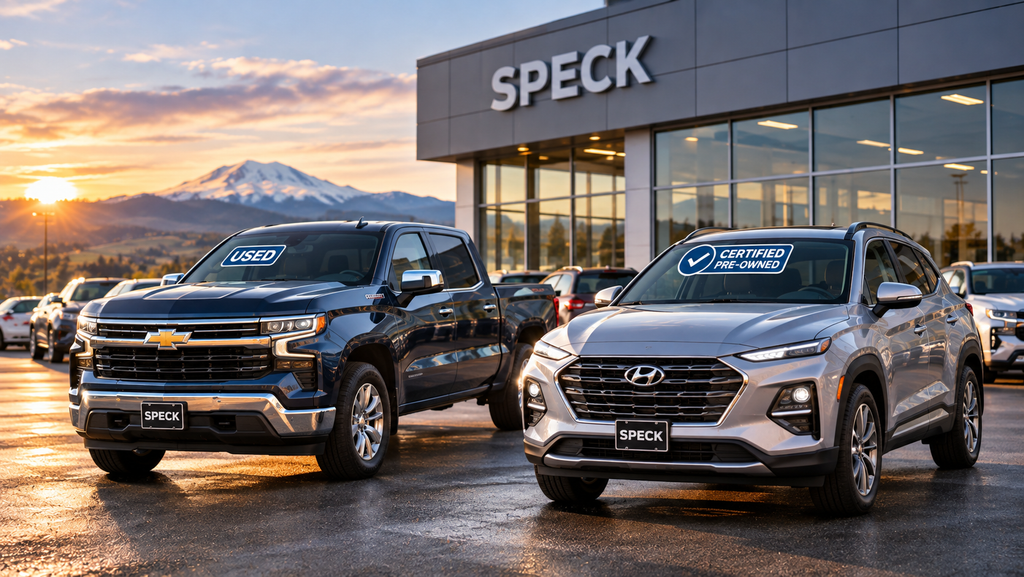
Shopping for a dependable vehicle requires carefully weighing long-term peace of mind against immediate out-of-pocket costs. Whether commuting across the Tri-Cities, navigating snowy mountain passes, or managing a daily drive through the Yakima Valley, buyers face a major decision when stepping onto a dealership lot: should you choose a Certified Pre-Owned vehicle or a traditional used car? Both paths deliver substantial savings compared to buying brand new, but their underlying ownership benefits differ significantly.
Understanding the core mechanical, financial, and warranty differences between CPO models and standard pre-owned vehicles is essential for making a confident purchase. While CPO vehicles offer manufacturer-backed guarantees that rival new car ownership, traditional used vehicles deliver unmatched flexibility for strict household budgets. This comprehensive guide compares inspection standards, warranty coverage, ownership costs, and real-world value to help Washington buyers pick the perfect vehicle.
Why This Matters for Washington Drivers
Washington motorists demand exceptional vehicle dependability to navigate unpredictable regional weather and varied driving terrain. From wet highway commuting on Interstate 82 to hauling agricultural loads across rural county roads, sudden mechanical breakdowns are both inconvenient and costly. Choosing the right vehicle tier directly affects your protection against unexpected repair bills during severe weather.
Furthermore, regional economic factors, vehicle financing rates, and long-term resale value weigh heavily on automotive decisions. Understanding how factory certification programs differ from standard dealer reconditioning allows buyers to evaluate risk accurately. Knowing what each vehicle tier offers ensures you select a car, truck, or SUV tailored to your lifestyle and financial goals.
Comparing the Two Paths: CPO vs. Traditional Used
What Makes a Vehicle “Certified Pre-Owned”?
A Certified Pre-Owned vehicle is a high-grade, low-mileage pre-owned car that meets strict criteria established by the vehicle’s original manufacturer. Unlike standard used cars, CPO units must pass an exhaustive multi-point inspection often covering 100 to 172 individual mechanical, safety, and cosmetic items performed by factory-trained technicians.
If any component fails inspection, it must be repaired or reconditioned using original equipment manufacturer (OEM) parts. Additionally, CPO programs carry official manufacturer-backed extended warranties, complimentary roadside assistance, and detailed vehicle history reports.
The Characteristics of Traditional Used Cars
A traditional used car encompasses any pre-owned vehicle that does not carry official manufacturer certification. These vehicles span a wide range of ages, mileage levels, and price points, ranging from late-model single-owner trade-ins to affordable bargain-lot commuters.
While standard used vehicles do not come with factory-backed extended warranties, reputable dealerships subject them to safety inspections and safety-critical reconditioning before placing them on the lot. They represent the most diverse segment of the pre-owned market, offering exceptional value for buyers prioritizing low upfront costs.
Key Differences: Inspections, Warranties, and Pricing
Inspection Rigor and Reconditioning Standards
The primary distinction between CPO and traditional used vehicles lies in the depth of technical evaluation. CPO programs require strict compliance with factory standards; for example, tires and brake pads must retain a specified minimum tread depth and thickness, or they are automatically replaced. Standard used car inspections focus heavily on core safety components, engine performance, brake safety, and roadworthiness.
Factory Warranty Coverage vs. Out-of-Pocket Risk
Warranty protection is often the deciding factor for risk-averse buyers. CPO vehicles include factory-backed powertrain and limited bumper-to-bumper warranties that take effect after the original factory warranty expires. Consumer financial advice published by the Federal Trade Commission emphasizes that buyers should always review the specific terms of buyer’s guides and warranty documentation, noting that factory-backed CPO warranties offer significantly broader protection than third-party aftermarket service contracts.
Pricing, Depreciation, and Financing Value
Because CPO vehicles undergo extensive reconditioning and carry extended factory warranties, they command a price premium—typically 5% to 15% higher than equivalent non-certified used models. However, CPO vehicles frequently qualify for lower promotional interest rates through captive manufacturer finance channels. Standard used cars carry lower sticker prices and experience slower ongoing depreciation, making them highly cost-effective for cash buyers or budget-focused shoppers.
Best Options and Buying Considerations
When to Choose a Certified Pre-Owned Vehicle
Opting for a CPO vehicle is ideal if you want the low-mileage reliability, modern safety technology, and warranty confidence of a new car without absorbing steep initial depreciation. According to automotive market valuation studies from Kelley Blue Book, CPO programs offer exceptional long-term value retention for buyers planning to keep their vehicle for four to six years.
- Best For: Families, daily highway commuters, and drivers who prefer predictable ownership costs.
- Key Advantage: Comprehensive factory warranty coverage and multi-point inspection protection.
When to Choose a Traditional Used Vehicle
A traditional used vehicle is the best option if you are seeking a secondary family vehicle, a first car for a teenage driver, or a rugged work truck for local farm or construction projects. Detailed vehicle reliability data compiled by Consumer Reports shows that many well-maintained, late-model used vehicles deliver outstanding long-term durability at a fraction of the cost of CPO or new models.
- Best For: First-time buyers, DIY mechanics, work trucks, and strict household budgets.
- Key Advantage: Maximum inventory selection, lower purchase prices, and reduced registration fees.
Common Mistakes to Avoid
A frequent mistake among pre-owned buyers is assuming that all “certified” labels are identical. Some independent used car lots advertise cars as “certified,” but this often refers to an in-house dealer check backed only by a limited third-party warranty—not an official manufacturer-backed CPO program. Always confirm that certification originates directly from the vehicle’s brand manufacturer.
Another common oversight is skipping a thorough test drive or failing to review the vehicle history report on traditional used cars. Reviewing a detailed title report helps identify past accident history, title status, and historical maintenance records. Furthermore, regional market analysis published by NADA Guides highlights that verifying complete vehicle service histories ensures buyers avoid hidden mechanical issues down the road.
Expert Tips for Pre-Owned Vehicle Buyers
- Verify the Warranty Source: Confirm whether extended warranty coverage is backed directly by the vehicle manufacturer or through a third-party service provider.
- Review the Vehicle History Report: Request a CARFAX or AutoCheck report to verify past ownership, accident history, and consistent oil change intervals.
- Compare Financing Rates: Check whether CPO inventory qualifies for special low-APR manufacturer financing incentives that offset the higher purchase price.
- Inspect Wear Items Personally: Look over tires, brake rotors, wiper blades, and fluid clarity during your physical test drive.
- Explore CPO Inventory Online: Compare available models, multi-point inspection highlights, and warranty details across our Speck Certified Pre-Owned inventory.
Frequently Asked Questions
Is a Certified Pre-Owned car worth the extra money?
Yes, for many buyers, the price premium of a CPO car is well worth it. The cost covers an intensive multi-point inspection, factory-backed warranty coverage, roadside assistance, and overall mechanical reconditioning, providing new-car peace of mind at a pre-owned price point.
Can any used car become a Certified Pre-Owned vehicle?
No. To qualify for official manufacturer certification, a vehicle must meet strict age and mileage limits (typically under 5 to 6 years old and under 60,000 to 80,000 miles), possess a clean title, and pass a rigorous factory inspection.
Do traditional used cars come with any warranty?
Many late-model used cars still carry the remainder of their original 3-year/36,000-mile or 5-year/60,000-mile factory warranties. For older models outside factory coverage, dealerships frequently offer optional extended service contracts.
How can I explore available used cars near me?
You can easily browse our wide selection of quality cars, trucks, and SUVs by exploring our used vehicle inventory at Speck Dealerships or visiting our sales showrooms across Washington.
Related Reading: New vs. Used Cars in Washington: Which Is Worth It Now?
Community Spotlight: Meet the Voice of the Tri-Cities, WA Rodeo: Roger Mooney
Final Thoughts
Deciding whether a Certified Pre-Owned or traditional used car is better depends entirely on your personal budget, risk tolerance, and driving priorities. CPO vehicles offer an unmatched combination of factory warranty protection, rigorous multi-point inspection guarantees, and low-mileage reliability making them a smart choice for buyers seeking long-term security. On the other hand, traditional used vehicles provide incredible value, broader inventory selection, and lower entry costs for drivers seeking practical transportation.
To explore more pre-owned buying strategies and vehicle advice, browse our latest articles from the Speck blog, learn about flexible auto loan options at our Speck auto finance center, or connect directly with our sales team on our contact our dealership team page.
Ready to find your next vehicle? Visit Speck Dealerships in Yakima or Tri-Cities today — or browse our inventory online.
