Quick Answer
Regular brake maintenance is essential for Washington drivers to safely navigate the region’s challenging weather and road conditions. You can prevent costly repairs and extend your brake life by addressing warning noises immediately, practicing smooth driving habits, and checking fluid levels regularly. For optimal safety, always replace worn components in pairs and only trust certified professionals for routine inspections and repairs.
Your car’s braking system isn’t just a convenience. It’s your absolute companion on WA roads. Neglect it, and you’re gambling with safety, facing dangerous stops, and staring down sky-high repair bills. A squealing rotor or a soft pedal isn’t just noise—it’s your vehicle screaming for attention. Ignoring these warning signs only turns a minor fix into a major overhaul, putting you and your passengers squarely in harm’s way. That stress? It’s pretty unnecessary.
There’s a better way to keep your rig running safe and sound. What you need to master is effective brake repair and maintenance. That means understanding the critical warning signs: the squeals, the pulls, the spongy feel. It means knowing when to check fluid, inspect pads, and schedule a professional inspection. This isn’t complex at all. It’s proactive. Today, we lay out 10 no-nonsense tips to extend component life, keep your braking system reliable, and give you peace of mind. Read on and take control.
Key Takeaways
- Unusual noises like screeching or grinding signal worn brake pads that can cause severe rotor damage if ignored.
- Spongy pedals, a shaking steering wheel, and dashboard warning lights indicate critical system failures that require immediate attention.
- Regularly checking brake fluid color, pad thickness, and for leaks is essential for maintaining optimal stopping power.
- Adopting smooth driving habits and avoiding vehicle overloading reduces system strain and extends brake component lifespan.
- Proactive professional maintenance prevents expensive secondary damage and guarantees safety during challenging driving conditions.
Common Warning Signals You Should Never Ignore
Your car’s brakes are critical for safety and act as your primary defense on the road. According to the National Highway Traffic Safety Administration (NHTSA), brake problems account for 22 percent of vehicle-related critical reasons for crashes. Thus, knowing common warning signs can prevent costly repairs and keep you safer.
● Tip 1: Listen for Screeching, Squeaking, or Metal-on-Metal Sounds
A high-pitched squeal often signals worn brake pads. Most pads have built-in metal wear indicators designed to make this sound when the friction material is low. Ignoring a persistent squeal can lead to a far more serious grinding noise. When you hear heavy grinding, it typically means brake pads are completely worn away. At that point, metal components rub directly against each other, rapidly damaging rotors and significantly increasing repair expenses.
● Tip 2: Pay Attention to Spongy Pedals or Steering Wheel Shaking
If your brake pedal feels surprisingly soft, sinks too far, or requires excessive pressure, it could indicate air trapped within the hydraulic system or a dangerous fluid leak. Similarly, vibrations or persistent steering wheel shaking when you brake often point to issues with the rotors. Warped rotors or uneven wear on brake pads can cause this unsettling feedback, compromising your vehicle’s stability during deceleration.
● Tip 3: Act Quickly When Dashboard Warning Lights Turn On
Modern vehicles have dashboard indicators designed to alert you to critical brake system problems. These lights can illuminate for various reasons, including low brake fluid levels, parking brake issues, or failures within the Anti-lock Braking System (ABS). Driving with an active brake warning light is risky. Such an alert signals a potential hazard that could severely impact your stopping power and overall safety.
While You Are Here: Insert Link w/ Title
Vital Fluid and Component Checks
Beyond recognizing warning signs, proactive checks of your vehicle’s fluid and key components are essential for optimal brake performance.
● Tip 4: Monitor Fluid Levels and Change Damaged Fluid
Brake fluid plays a major role in transferring pressure from the pedal to the brake calipers. Over time, the fluid absorbs atmospheric moisture, gradually lowering its boiling point. Once moisture levels exceed 3 percent, brake fluid boiling points drop sharply, heavily raising the risk of failure during emergencies. That reaction causes internal rust in the brake lines and compromises stopping efficiency. Ideally, brake fluid appears clear or light yellow. Dark or dirty fluid strongly indicates you need a full hydraulic flush to maintain system integrity.
● Tip 5: Inspect Brake Pad Thickness and Rotor Surfaces
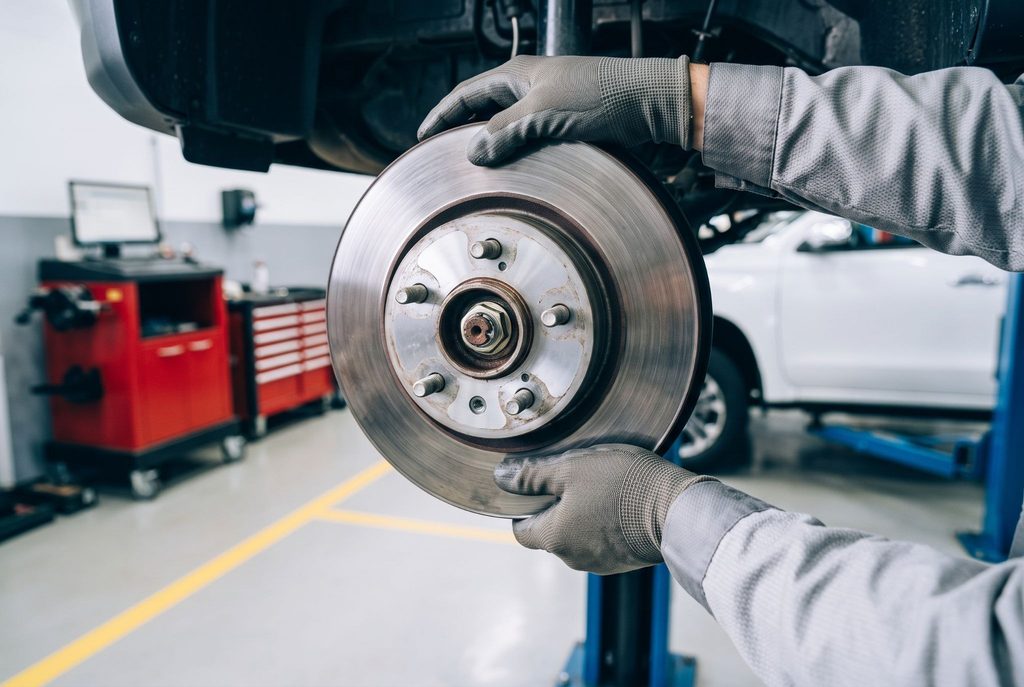
Regularly checking brake pad thickness is a simple yet vital maintenance step. Pads typically require replacement once their friction material wears down to less than a quarter-inch. Furthermore, inspect rotor surfaces carefully. Deep grooves, scoring, or uneven wear patterns on the rotor face indicate damage that needs resurfacing or replacing the rotors entirely to restore proper braking contact.
Tip 6: Check for Fluid Leaks and Sticking Calipers
Any signs of fluid leaks around your vehicle’s wheels or beneath the undercarriage merit immediate attention. Such leaks can deplete hydraulic pressure, dangerously reducing stopping power. Another common issue involves sticking calipers. When a caliper sticks, it forces brake pads to remain in constant contact with the rotor. This continuous friction can cause your vehicle to pull to one side, generate excessive heat, and accelerate component wear.
Driving Habits and Best Maintenance Practices
How you drive greatly impacts the lifespan and effectiveness of your brake system. Adopting mindful driving habits can extend the life of your components and ensure consistent performance.
● Tip 7: Drive Smoothly and Practice Coasting
Sudden, aggressive stopping generates massive heat within the brake system. This can cause brake pads to glaze over and rotors to warp, reducing their effectiveness and accelerating wear. Instead, ease off the gas pedal earlier to allow your vehicle to coast. This practice naturally slows the car, reduces strain on the brakes, and helps keep stopping components cooler, preserving their integrity.
● Tip 8: Avoid Overloading Your Vehicle
Transporting excessive weight in your car greatly increases its momentum, forcing the brake system to work much harder to stop the vehicle. This added strain can quickly accelerate brake pad wear, cause the brake fluid to overheat, and critically, extend your overall stopping distance. Always adhere to your vehicle’s recommended load capacity to protect your brakes and ensure safe operation.
● Tip 9: Replace Brake Components in Axle Pairs
When replacing friction parts like pads and rotors, always work on both wheels on an entire axle at the same time. For example, if you replace the front right brake pad, also replace the front left pad. Installing mismatched parts or only replacing components on one side of an axle creates uneven grip. This imbalance can cause your vehicle to pull dangerously sideways, especially during sudden emergency braking.
● Tip 10: Commit to Routine Professional Checks and Quality Parts
Regular professional inspections let skilled mechanics detect subtle issues that might escape an untrained eye. Expert technicians can identify hidden hydraulic leaks, assess uneven wear patterns, or uncover problems with brake hardware early, before they escalate. Moreover, investing in premium, manufacturer-recommended replacement parts is always wise. These components are designed to precise specifications, offering superior durability and more reliable stopping performance compared to cheaper, generic alternatives.
Read Next: Insert Link w/ Title.
Why Regular Brake Maintenance Matters for Washington Drivers
Maintaining your vehicle’s brakes is particularly crucial given the unique challenges of driving across Eastern Washington.
Navigating Regional Driving Conditions in WA
Drivers traveling through areas like the Yakima Valley and Tri-Cities face diverse, often demanding conditions. Winter often brings dangerous freezing fog and potential black ice, especially across river bridges. Spring and autumn windstorms kick up heavy dust clouds and blowing debris, impacting visibility and requiring precise stopping. Furthermore, agricultural corridors around communities like Sunnyside and Prosser often feature slow-moving farm machinery, requiring quick, unexpected stops. Indeed, reliable brakes are non-negotiable for safely navigating these varied environments.
Preventing Secondary Damage and High Costs
Proactive brake maintenance offers significant financial and safety advantages. Addressing minor issues, such as early pad wear, prevents them from escalating into more serious and expensive problems. Catching issues early can save other critical components like rotors and calipers from permanent damage. Most importantly, consistent care for your braking system guarantees your vehicle responds immediately and effectively in emergency stopping situations, protecting you, your passengers, and others on the road.
Professional Care at Speck Family Dealerships
When your vehicle needs professional brake diagnostics, new pads, rotor resurfacing, or a complete hydraulic flush, trust factory-trained technicians who understand specific local driving demands. Speck Dealerships operates certified service centers conveniently situated throughout the Yakima Valley and Tri-Cities region.
● Speck Buick GMC of Tri-Cities, Pasco, WA
The Certified Service experts in Pasco specialize in precise maintenance for your Buick or GMC. Their team conducts comprehensive multi-point inspections, carefully checking tires, wiper blades, all fluids, and the entire braking assembly. Technicians install ACDelco and GM Genuine components for lasting reliability. Currently, rotor replacements generally range from $234.95 up to $549.95, depending on the component quality. Customers frequently find mail-in rebate offers providing up to $60 off select pad and rotor sets, making service more affordable.
● Speck Chevrolet of Prosser & C. Speck Motors, Sunnyside, WA
This Sunnyside location provides premier Chevrolet maintenance and extends service to both GM and non-GM vehicles. Factory-trained professionals offer full-system diagnostics and routine checks to identify potential issues. Technicians use ACDelco Gold and Silver parts to ensure long-lasting performance and peace of mind. Brake pad replacements start around $299.95, and rotor replacements typically begin near $499.95. Mail-in rebates of up to $60 on front and rear sets help reduce overall maintenance costs.
● Speck Ford of Prosser, Prosser, WA
Speck Ford makes specialized equipment and current diagnostic technology available to local drivers. Ford-trained mechanics meticulously understand every aspect of your vehicle’s braking system. The service team conducts routine visual checks alongside comprehensive diagnostic repairs. From fluid corrections to complete rotor resurfacing, the Prosser facility guarantees your car handles daily commutes, heavy towing, and Washington’s ever-changing weather conditions with confidence.
● Speck Hyundai of Tri-Cities, Kennewick, WA
The Kennewick service center expertly handles adjustments, fluid flushes, and full replacements for your Hyundai. The team employs state-of-the-art technology to quickly diagnose potential issues. Delaying necessary repairs can damage the entire brake assembly, so Hyundai specialists offer prompt solutions to maintain your car’s safety. Accessing their user-friendly online platform allows you to book your service visit in just a few clicks.
● Speck Nissan, Sunnyside, WA
At Speck Nissan, you receive factory-trained servicing that exclusively uses Nissan Genuine components. Sunnyside technicians meticulously ensure that your hydraulics, rotors, and pads meet stringent factory specifications. The service manager thoughtfully selects seasonal specials designed to match the specific driving conditions of the Yakima Valley, often including discounts on pads, battery tests, and oil changes. Customers can also enjoy complimentary visual inspections with any standard service.
Frequently Asked Questions (FAQs)
● How often should car brakes be inspected?
Car brakes ought to be inspected at least once a year or every 12,000 miles to ensure all components remain in safe working order. Mechanics can conveniently perform this check during routine tire rotations or oil changes.
● What are the signs that brakes need repair?
Common indicators include high-pitched squealing, harsh grinding noises, or a noticeable vibration when pressing down on the pedal. Drivers might also experience a soft, spongy brake response or a tendency for the vehicle to pull toward one side.
● When should brake pads be replaced?
Brake pads generally require replacement when their friction lining wears down to approximately one-eighth of an inch thick. Most vehicles reach a point every 25,000 to 70,000 miles, depending heavily on driving habits and traffic conditions.
● How often should brake fluid be checked?
Review fluid levels and clarity during every routine oil change, or at least twice yearly. Auto manufacturers typically recommend flushing and replacing the fluid entirely every two to three years to prevent moisture contamination.
● How can regular brake maintenance improve vehicle safety?
Routine upkeep preserves optimal stopping power and prevents sudden mechanical failure during emergency situations. Timely inspections also catch minor component wear early before major system breakdowns compromise road control.
Bottom Line
Mastering your vehicle’s stopping power is a straightforward way to stay safe while navigating everything from snowy Yakima Valley winters to heavy hauls across the Palouse. Simple adjustments, like smoother coasting habits and staying alert for the first hint of a squeak or a soft pedal, can prevent minor wear from turning into a major headache. Consistent brake repair and maintenance preserve your vehicle’s reliability and keep your hard-earned money in your pocket.
At Speck Dealerships, our local experts are always here to handle professional inspections and provide the dependable service our community relies on every day. We hope you found these tips and insights useful! Don’t forget to visit us in person or explore our inventory online today.
