QUICK ANSWER:
Speck Motors supports agricultural businesses in Sunnyside and the Yakima Valley with work trucks, commercial fleet services, financing options, and heavy-duty maintenance. The dealership serves local farmers, dairies, and orchards that rely on dependable vehicles for daily operations, transportation, and seasonal agricultural work.
The agricultural heartbeat of Washington State relies on constant movement, precise timing, and uncompromising equipment reliability. From fruit orchards in Wapato to multi-generation dairies across Sunnyside, local growers operate on demanding schedules where unexpected downtime directly impacts crop harvest and dairy yield. In this fast-paced environment, a farm truck is far more than standard daily transportation—it serves as a mobile office, a heavy towing platform, and an essential tool for daily agricultural operations.
For over a century, local farm families and agricultural producers across the Yakima Valley have depended on strong automotive partnerships to keep their operations moving. When harvest season arrives, having a trusted local dealership that understands payload limits, commercial towing, and emergency turnaround times is vital. This article explores how Speck Motors supports Pacific Northwest agriculture, showcasing how deep community relationships and heavy-duty truck solutions keep regional farms, orchards, and dairies operating efficiently year-round.
Why This Matters for Washington Drivers
Agriculture is the primary economic engine of Central Washington, contributing billions of dollars annually to the regional economy. According to agricultural production data compiled by the USDA National Agricultural Statistics Service, Central Washington leads the nation in apple, sweet cherry, and hop production while maintaining thousands of active dairy cows across the region. Operating an agricultural business in regions like Sunnyside, Prosser, and the Tri-Cities requires specialized vehicles capable of navigating dusty high-desert terrain, unpaved farm lanes, and muddy orchard rows while carrying heavy equipment or hauling livestock trailers.
Furthermore, farm trucks face extreme operational stress compared to standard commuter vehicles. Dairies operating 24 hours a day require fleet trucks that log thousands of hours on rough surfaces, demanding continuous preventive maintenance and rapid diagnostic scans. Having a dedicated local automotive dealer like C. Speck Motors Chevrolet in Sunnyside or visiting our other Speck dealership locations ensures that farm managers and orchardists do not have to drive long distances to Yakima or the Tri-Cities whenever a vehicle needs immediate maintenance during critical harvest windows.
Partnering with Multi-Generational Local Farms
Douglas Fruit: Decades of Trust in Wapato and Sunnyside
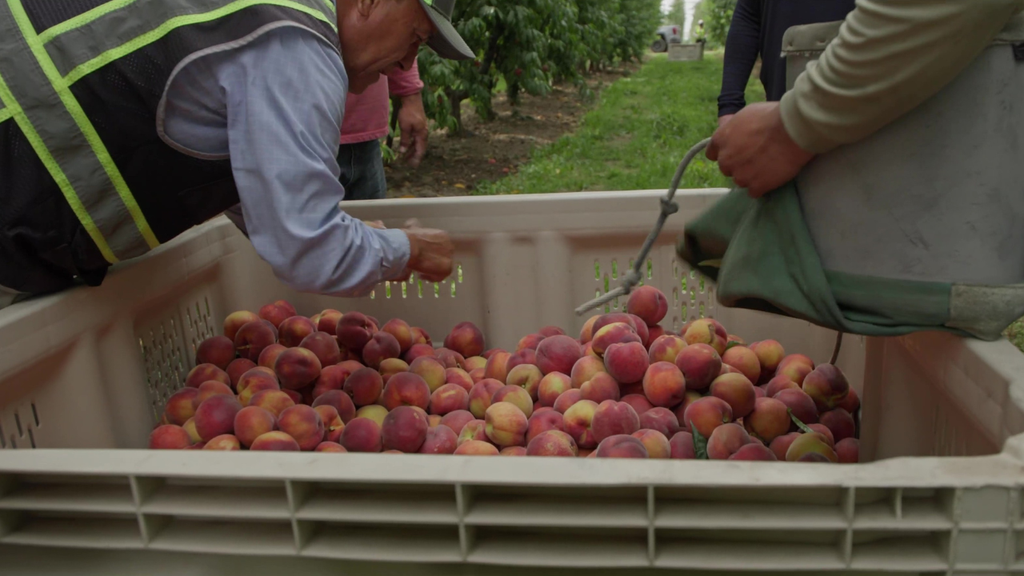
The partnership between Speck Motors and local agricultural families spans generations, built on shared roots in small-town farming communities. Business relationships with operations like Douglas Fruit, where families have farmed from Wapato down into the Sunnyside valley growing peaches, nectarines, and apples, highlight decades of mutual support. Over the years, long-standing farming operations have purchased dozens of work trucks, haulers, and family vehicles from Speck Motors. These relationships are forged not just across a sales desk, but through shared school days, community gatherings, and long-term business collaboration.
Rollinger Family Farms: Supporting 24/7 Dairy Operations
For multi-generational dairy operations like Rollinger Family Farms, farm work never stops. Milking over 2,000 cows across multiple facilities operates on a continuous 24-hour cycle where every single day matters. As fourth-generation dairy farmers raise their own children on the farm, their reliance on heavy-duty work trucks remains absolute. A farm manager’s office is frequently the cab of a three-quarter-ton or one-ton pickup truck, used to navigate feed alleys, check pastures, and haul equipment between dairy sites. Having Speck Motors located just down the road gives local growers immediate access to service, parts, and new commercial units without interrupting critical daily farming routines.
Built-in Support: Mutual Reliance Between Farmers and Dealers
In small agricultural towns across the Yakima Valley, local dealerships and agricultural producers rely on each other to thrive. As General Manager Carlos Munguia notes, dealership teams feel a strong protective responsibility toward local growers because the success of the entire community depends on the health of local agriculture. Whether assisting a producer on the showroom floor or prioritizing an urgent engine diagnostic scan in the service bay during harvest week, the Speck team treats every agricultural customer as an extension of their own family.
Key Features and Buying Considerations for Agricultural Vehicles
Payload Capacity and Commercial Towing Ratings
Selecting the right truck for farm or orchard work requires a thorough evaluation of gross vehicle weight ratings (GVWR), axle ratios, and maximum towing capabilities. Pushing a light-duty truck beyond its intended payload limit can lead to premature transmission wear, suspension fatigue, and safety hazards on rural roads. Independent vehicle evaluations published by Edmunds emphasize that aligning engine torque, axle ratios, and maximum towing specifications with actual trailer weights prevents expensive mechanical breakdowns and ensures compliance with state transportation standards.
Heavy-Duty Four-Wheel Drive (4WD) Systems
Central Washington farmland experiences diverse weather conditions, ranging from hot, dusty summer harvests to freezing, rutted winter conditions. Heavy-duty four-wheel-drive systems featuring locking rear differentials, high ground clearance, and skid plates are essential for maintaining traction across muddy fields, irrigation access roads, and unpaved farm runs. Investing in heavy-duty commercial packages ensures that farm work continues safely regardless of weather anomalies.
Integrated Mobile Office Features and Fleet Technology
Modern work trucks have evolved into sophisticated mobile workstations equipped with high-output power generators, integrated trailer brake controllers, heavy-duty bedliners, and advanced cab connectivity. Farm managers can monitor field operations, communicate with field crews, and review supply logistics directly from their truck cab. Utilizing vehicles equipped with factory-installed commercial upfits maximizes daily productivity across expansive agricultural acreage.
Common Mistakes to Avoid
A frequent mistake made by agricultural buyers is underestimating the true payload requirements of daily farm operations. Purchasing a half-ton pickup when field conditions demand a three-quarter-ton (2500) or one-ton (3500) heavy-duty platform often leads to excessive suspension wear, reduced brake life, and unsafe handling when hauling heavy fertilizer tanks or livestock trailers.
Another major oversight is neglecting scheduled commercial maintenance during busy farming seasons. Skipping routine oil changes, air filter replacements, or transmission fluid inspections due to harvest pressure can result in sudden, severe engine failure. Partnering with a local dealership that offers streamlined commercial fleet servicing allows growers to maintain strict preventive maintenance schedules without sacrificing valuable time in the field. Furthermore, commercial fleet analysis from MotorTrend confirms that strictly adhering to factory-recommended service intervals significantly lowers the overall cost of ownership for heavy-duty work vehicles.
Expert Tips for Agricultural Fleet Management
- Schedule Pre-Harvest Fleet Inspections: Bring your work trucks in for full brake, tire, cooling system, and fluid inspections several weeks before peak harvest season begins to eliminate unexpected delays.
- Match Axle Ratios to Your Towing Needs: Work with commercial sales specialists to select the optimal axle ratio for your primary driving tasks—lower ratios offer higher towing power for heavy farm trailers, while higher ratios optimize highway fuel economy.
- Protect Bed Surfaces with Factory Spray-In Liners: Shield truck beds from corrosive fertilizers, heavy farm tools, and cargo impacts by outfitting work trucks with durable spray-in bedliners.
- Explore Commercial Fleet Financing Options: Speak with dealership finance specialists about commercial credit lines, tax-depreciable vehicle leasing structures, and seasonal payment plans tailored to agricultural cash flow cycles.
- Maintain Detailed Maintenance Logs for Every Unit: Keep detailed service records for every farm vehicle using centralized dealership databases to maximize trade-in equity when upgrading your commercial fleet.
Frequently Asked Questions
Which truck models are best suited for agricultural work in the Yakima Valley?
Heavy-duty trucks like the Chevrolet Silverado 2500HD and 3500HD, or Ford Super Duty F-250 and F-350, are ideal for agricultural work due to their high towing capacities, durable commercial frames, and advanced four-wheel-drive capabilities.
How does Speck Motors support local farmers during harvest season?
Speck Motors supports local farmers by offering priority service turnaround, extensive commercial work truck inventory, specialized fleet financing, and local dealership facilities located directly within agricultural hubs like Sunnyside and Prosser.
Can agricultural businesses lease work trucks instead of buying them outright?
Yes, commercial and agricultural leases offer flexible mileage limits, lower upfront capital requirements, and potential tax write-off advantages. Farm managers can consult with our commercial finance team to structure leases aligned with seasonal farm revenue.
Where can I explore available commercial work trucks and heavy-duty inventory?
You can view active heavy-duty trucks, commercial vans, and work-ready pickups by browsing our heavy-duty work truck inventory online or visiting our showroom locations.
How do I schedule routine maintenance for my agricultural fleet vehicles?
You can easily reserve a commercial service slot for your farm pickups or commercial fleet by visiting our dedicated online service scheduling page or calling our service advisors directly.
Final Thoughts
The bond between Speck Motors and Pacific Northwest agriculture reflects shared values and local trust. For more than 114 years, four generations of the Speck and Moore families have supported local agriculture.
They have worked alongside orchardists, dairy producers, and farmers across Sunnyside and the Yakima Valley. Speck Motors provides dependable work trucks and specialized commercial knowledge. In addition, rapid service support helps farming families keep their operations moving.
Choosing the right work truck is only the beginning. Farmers can also explore commercial financing and seasonal trade-in programs. Preventive maintenance plans can further protect their investment. Together, these options can help agricultural fleets remain productive for years.
Ready to find your next vehicle? Visit Speck Dealerships in Yakima or Tri-Cities today — or browse our inventory online.
