
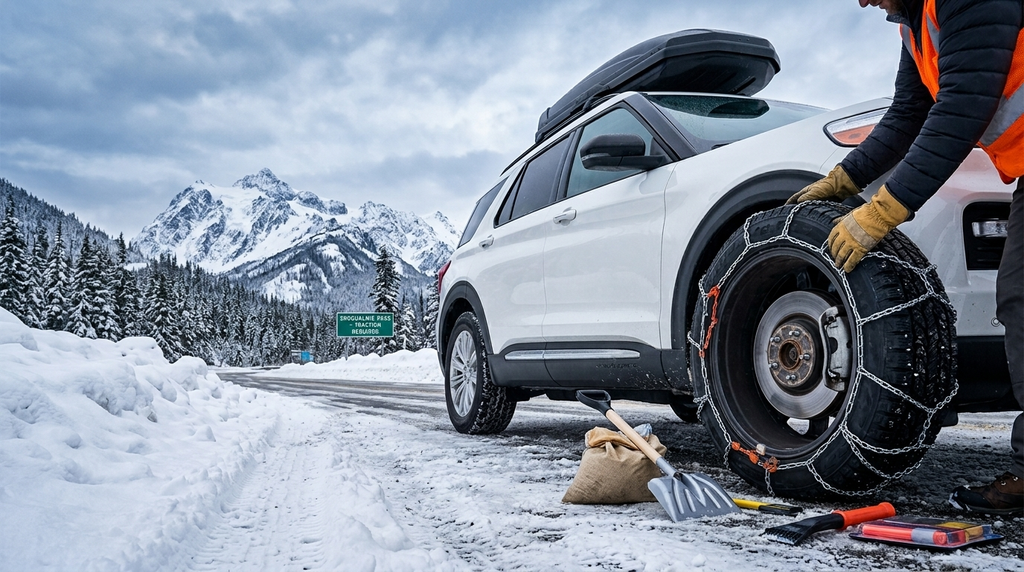
Drivers in Washington should prepare their vehicles for winter by checking tire condition, battery health, brakes, fluids, windshield wipers, and heating systems before temperatures drop. Snow, freezing rain, and icy roads can reduce traction and strain vehicle components, making preventive maintenance especially important during winter.
Allowing winter conditions to catch you off guard can lead to dangerous roadside breakdowns and expensive emergency towing fees. By taking a proactive approach to seasonal vehicle maintenance, you can ensure consistent reliability, protect your automotive investment, and keep your family safe. This practical winterizing guide details exactly how to inspect, equip, and optimize your vehicle to handle the worst of Washington’s cold weather with complete confidence.
Why This Matters for Washington Drivers
Washington’s unique regional geography creates a wide variety of hazardous winter driving conditions. Western regions frequently battle persistent sub-freezing rain that leaves an invisible layer of black ice on highway overpasses and shaded secondary roads. Meanwhile, eastern areas deal with deep snowdrifts and sustained sub-zero temperatures that push automotive components to their absolute limits. If you frequently travel over major mountain passes like Snoqualmie or Stevens, you must be prepared for fast-changing blizzards and strict traction advisories.
Staying compliant with local safety regulations is also a critical legal responsibility for local motorists. According to the Washington State Department of Transportation’s road safety updates, all drivers crossing designated mountain passes between November 1 and April 1 must carry legally approved tire chains or state-sanctioned alternative traction devices in their vehicles. This mandate applies to all passenger vehicles, including those equipped with four-wheel drive or all-wheel drive systems. Failing to carry this safety gear or ignoring active traction signs can result in a steep $500 fine and create dangerous blockages on critical transit routes.
Vital Mechanical Systems to Inspect
Battery Strength and Electrical Reliability
Sub-freezing temperatures drastically reduce an automotive battery’s internal chemical efficiency, cutting its total cranking power by up to 50 percent. At the exact same time, a cold engine requires significantly more electrical energy to turn over because internal motor oil thickens in the cold. A battery that functions perfectly during a mild summer can easily fail completely on a freezing morning.
- Have a technician perform a professional battery load test to check your battery’s voltage health.
- Inspect the terminal connections for any white, powdery corrosion buildup.
- Ensure all terminal cables are clamped tightly to prevent intermittent power loss.
- Replace any battery that is more than three to four years old to avoid sudden failures.
Fluid Inspections and Antifreeze Concentration
Maintaining the correct chemical composition of your vehicle’s fluids prevents catastrophic freezing damage inside the engine block. Your engine’s cooling system requires an exact 50/50 mixture of concentrated antifreeze and distilled water. If the water concentration is too high, the fluid can freeze solid, cracking your radiator and causing severe engine overheating. Additionally, you should switch out your standard windshield washer fluid for a specialized winter formula rated down to -20°F to prevent the fluid lines from freezing and blinding your view during a storm.
Braking System Performance and Line Integrity
Stopping safely on wet, slushy, or icy Washington roads requires perfectly balanced braking response. Any slight pulling to one side or uneven pad wear can cause your vehicle to spin out instantly on low-traction surfaces. Have your brake pads, rotors, and calipers thoroughly inspected for safety. It is equally important to test the moisture content of your brake fluid; water contamination inside the brake lines can freeze during extreme cold snaps, resulting in a dangerously soft or completely unresponsive brake pedal.
Traction Management and Tire Selection
Evaluating All-Season vs. Dedicated Winter Tires
Your tires are the single point of physical contact between your vehicle and the frozen roadway. While high-quality all-season tires work well in mild weather, their specialized rubber compounds harden significantly when temperatures drop below 45°F, reducing traction. Dedicated winter tires are engineered with unique, flexible resins that remain soft and pliable in sub-zero cold. They also feature deeper tread channels and intricate sipes that bite into packed snow and ice far more effectively than standard road tires.
Monitoring Tread Depth and Air Pressure
To maintain proper control in heavy slush, your tire tread must have a minimum depth of an eighth of an inch. You can check this easily by placing a penny upside down into the tread groove; if the top of Lincoln’s head is fully visible, your tires lack the depth needed to channel away slush safely and must be replaced. Furthermore, remember that tire pressure drops by roughly one pound per square inch (PSI) for every 10-degree decrease in outside temperature. Driving on underinflated tires causes uneven wear and compromises your vehicle’s emergency handling capabilities.
Visibility and Structural Protection
Advanced Wiper Blades and Defroster Function
Falling snow and freezing road spray can overwhelm standard wiper blades within minutes. Upgrading to heavy-duty, rubber-clad winter wiper blades prevents ice from packing into the framework, ensuring consistent pressure across your windshield. Always inspect your front and rear window defroster grids to verify they are clearing frost quickly. Never use your wiper blades to clear heavy, frozen snow from the glass, as this can easily strip the internal wiper motor gears or tear the delicate rubber blades.
Exterior Paint and Underbody Care
The de-icing chemicals and sand mixtures applied to Washington highways are highly corrosive to automotive metal and paint finishes. Left unmanaged, this debris traps moisture against the frame, accelerating rust formation on brake lines, exhaust systems, and suspension components. Applying a high-quality protective wax or ceramic sealant before winter arrives shields your paint from flying gravel chips. Regularly washing your vehicle during the winter—making sure to thoroughly rinse the underbody—is vital to prevent long-term structural degradation.
Common Mistakes to Avoid
A frequent mistake made by local vehicle owners is relying entirely on automated safety systems like electronic stability control and anti-lock brakes to save them on slick surfaces. While these modern driver-assist technologies are highly advanced, they cannot violate the laws of physics; if your tires have completely lost physical traction on slick black ice, electronic safety sensors cannot stop the vehicle from sliding.
Another dangerous oversight is failing to properly maintain a vehicle’s fuel level during cold weather. Driving with an almost empty gas tank allows ambient moisture to condense on the internal walls of the fuel tank. This water can settle into the fuel lines and freeze solid, preventing the engine from starting. Keeping your fuel tank at least half full throughout the winter months eliminates this risk and ensures you have plenty of fuel to keep the cabin warm if you are caught in an extended traffic delay or a major mountain pass closure. Checking real-time winter storm warnings and localized forecasts on the official National Weather Service tracker before heading out can further safeguard your route plans.
Building an Essential Winter Emergency Kit
No matter how well you prepare your vehicle, unexpected blizzards or road accidents can leave you stranded on the roadside for hours. Carrying a well-stocked winter emergency survival kit in your trunk is a smart safety measure that can save lives.
- Practical Tools: Pack a durable ice scraper, a heavy-duty snow brush, a compact folding shovel, and a pair of reliable jumper cables.
- Safety Signaling: Include a high-visibility reflective vest, bright roadside flares, and a dependable, waterproof flashlight with extra batteries.
- Warm Clothing: Keep heavy insulated gloves, thick blankets or a sleeping bag, and waterproof winter boots stored safely in the cabin.
- Emergency Supplies: Store a comprehensive first-aid kit, a portable cellphone power bank, and a supply of non-perishable food bars alongside bottled water.
Expert Tips for Winter Travel Success
- Test Your Defrosting System Early: Turn on your vehicle’s heating and defrost controls before the first freeze to ensure air flows correctly through all dashboard vents.
- Avoid Using Cruise Control: Never activate cruise control when driving on wet, snowy, or icy roads. The automated system may attempt to maintain speed during a loss of traction, causing a dangerous skid.
- Practice Installing Your Chains: Do not wait for a freezing mountain blizzard to open your tire chain boxes for the first time. Practice installing them on your tires in a dry garage so you know exactly how they fit.
- Allow the Engine to Warm Up Safely: Give your vehicle a few minutes to idle before driving in freezing weather. This allows engine oil to warm up and circulate fully, reducing internal wear.
Frequently Asked Questions
What are the official legal dates for using studded tires in Washington?
According to Washington state laws enforced by the state patrol, studded tires are legally permitted on public roadways only from November 1 through March 31. Failing to remove them by the deadline can result in a traffic fine.
Can I use all-season tires when mountain pass signs say traction tires are required?
Yes, provided your all-season tires carry the official M+S (Mud and Snow) designation or the Three-Peak Mountain Snowflake symbol on the sidewall, and maintain a safe tread depth of at least an eighth of an inch.
How often should I test my anti-freeze mixture strength?
It is highly recommended to test your engine coolant’s antifreeze concentration at the start of every autumn season using a simple hydrometer to ensure it provides adequate protection against projected winter low temperatures.
Should I lower my tire pressure to get better traction in deep snow?
No, you should never intentionally underinflate your tires below the vehicle manufacturer’s recommended settings. Lowering tire pressure alters the tire’s footprint, reducing stability and increasing the risk of rim damage.
Final Thoughts
Thoroughly winterizing your vehicle is a vital part of responsible car ownership for anyone navigating Washington State’s harsh winter seasons. Taking the time to properly evaluate your battery capacity, secure required mountain pass traction gear, and verify braking efficiency keeps you in complete control when driving conditions deteriorate. Prioritizing these simple preventive steps ensures your vehicle stays reliable and provides total peace of mind all winter long.
Before you set out on your next winter road trip, checking our digital resources or visiting our group vehicle inventory can help you find modern vehicles equipped with advanced all-wheel drive systems and winter technology packages.
Ready to find your next vehicle? Visit Speck Dealerships today — or browse our inventory online.
