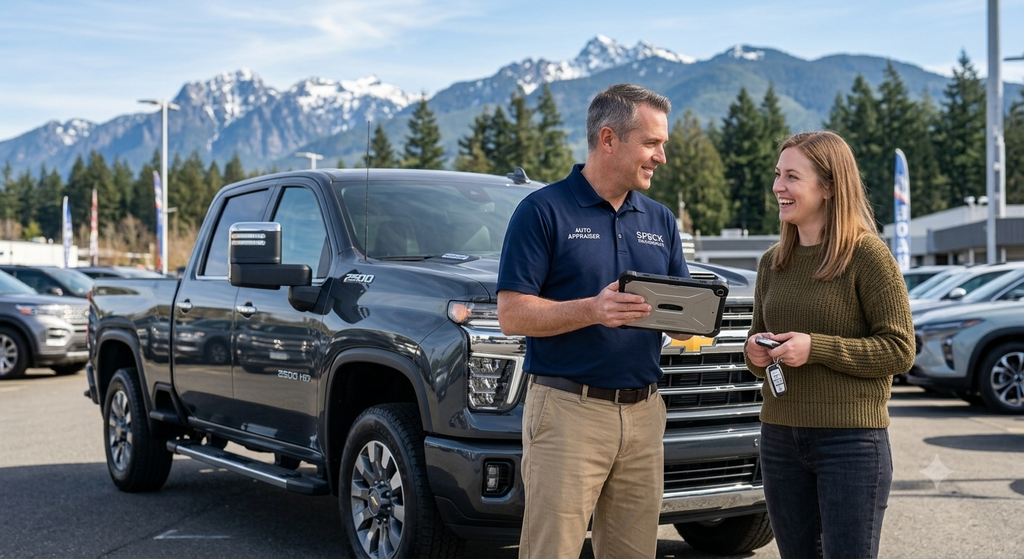
You can improve your vehicle’s trade-in value by researching its market value, gathering maintenance records, cleaning the vehicle, addressing minor issues, and comparing multiple offers before visiting a dealership. Vehicle condition, mileage, service history, local demand, and current market prices can all influence the final trade-in offer.
To maximize your trade-in value, you need to approach the process strategically. By looking at it from a dealership’s perspective, you can make minor updates that yield significant financial rewards. This comprehensive guide walks you through every step of the preparation, research, and negotiation process so you can secure top dollar for your vehicle in Washington State.
Why This Matters for Washington Drivers
Washington drivers face distinct environmental conditions that directly impact vehicle wear and market demand. Vehicles operating in the Pacific Northwest frequently deal with damp winters, road salt in mountainous areas, and dusty rural roads across eastern agricultural zones. These regional factors mean standard nationwide evaluation metrics do not always paint an accurate picture. Local buyers need to know exactly how to demonstrate that their vehicle has been properly protected from regional wear.
Additionally, understanding local financial rules can save you an immense amount of money. According to guidelines from the Washington Department of Revenue, vehicle buyers receive a substantial sales tax credit when trading in a vehicle toward a new or used purchase. In Washington, you only pay sales tax on the net difference between your trade-in value and the price of your new vehicle. Maximizing your trade value directly decreases your local tax liability, making every extra dollar of trade equity twice as valuable.
Strategic Preparation and Vehicle Reconditioning
Thorough Interior and Exterior Detailing
Before anyone evaluates your car, it must look its absolute best. A dirty car signals to an appraiser that the previous owner may have neglected routine mechanical maintenance as well. Spending a weekend or a small amount of money on a professional detail can completely transform an appraiser’s first impression.
- Clean out all personal belongings, trash, and loose charging cables from the cabin.
- Vacuum the carpets thoroughly, paying close attention to tight seams and under the seats.
- Wash the exterior, clean the wheels, and treat any plastic trim to remove dullness.
- Clean the windows inside and out to eliminate streaks and film buildup.
Addressing Small Mechanical Flaws
You do not need to perform major powertrain overhauls before trading your vehicle in, as dealerships can fix major issues. However, fixing minor, inexpensive flaws prevents appraisers from deducting large reconditioning fees from your offer. Replace burnt-out interior bulbs, top off low fluids, and fix small windshield chips. Ensuring all matching tires are properly inflated shows that the car has been consistently cared for.
The Power of Maintenance History
A well-documented vehicle is always worth more than a mystery machine. Gather every single piece of paper relating to your vehicle’s service history and organize them chronologically in a folder. If you have done your oil changes, brake replacements, and fluid flushes on schedule, this documentation proves your vehicle’s long-term reliability. Presenting a complete service history gives the dealership immediate confidence that the vehicle is ready for quick resale, which translates directly into a higher initial offer for you.
Researching and Verifying Real Market Value
Generating Trusted Online Valuations
Before stepping foot on a dealership lot, you must establish a realistic baseline price for your vehicle based on its exact trim level, mileage, and condition. Utilizing tools from established automotive research entities like Kelley Blue Book or Edmunds gives you a clear target range. To see exactly how your vehicle scores locally, submitting your details through our secure trade-or-sell appraisal form will connect you directly with a local specialist who can provide a market-driven estimate tailored to our region. Be completely honest with yourself about your vehicle’s condition grade. Very few vehicles truly qualify as “Excellent,” so grading your car as “Good” or “Fair” provides a much safer, realistic benchmark for negotiation. Also, make sure to select the TRADE IN VALUE, not retail, so you have realistic expectations
Tracking Regional Supply and Demand Factors
Vehicle values vary significantly depending on local geography and seasonal demand. For example, a highly efficient hybrid vehicle or an all-wheel-drive crossover will hold incredible value in the Seattle and commuter regions. Conversely, a capable four-wheel-drive pickup truck will command a premium price in the Tri-Cities, Yakima, and rural agricultural communities. Additionally, trading in an all-wheel-drive vehicle right before a snowy Washington winter can provide a slight edge in value due to increased seasonal demand.
Common Mistakes to Avoid
A frequent error made by local car owners is hiding known mechanical problems or past body repairs during the appraisal process. Modern dealerships utilize advanced vehicle history reports and electronic diagnostic tools that instantly scan for past accidents or cleared engine codes. Being completely transparent from the start builds a foundation of mutual trust and keeps the process moving forward smoothly.
Another mistake is neglecting to factor in the total financial picture, including the Washington state sales tax credit. Sometimes, a third-party buyer might offer a tiny bit more cash for your vehicle than a dealership. However, once you factor in the time spent meeting strangers, the risk of bad checks, and the loss of the automated sales tax credit, trading your vehicle directly to a dealer is almost always the more financially sound option. For detailed instructions on protecting yourself from fraudulent private transactions, you can review consumer alert guidelines published by the Federal Trade Commission.
Expert Tips for Trade-In Success
- Bring All Key Fobs: Missing modern smart keys can cost a dealership hundreds of dollars to replace, and they will subtract that cost directly from your appraisal if you leave the spares at home.
- Remove Custom Accessories: If you added aftermarket stereos, specialized wheels, or custom racks, restore the vehicle to factory condition if possible, as custom parts rarely add resale value.
- Keep It Registered: Ensure your vehicle registration is fully current and that you have a clean, valid title in hand to prevent long administrative delays during ownership transfer.
- Clear Your Private Data: Perform a full factory reset on your vehicle’s infotainment system to delete your home address, saved garage codes, and synchronized phone contacts before handing over the keys.
Frequently Asked Questions
How does Washington’s sales tax credit work for vehicle trade-ins? In Washington, the value of your trade-in vehicle is subtracted directly from the purchase price of your new vehicle. You only pay the state and local sales tax on the remaining net difference, which can save you hundreds or thousands of dollars.
Should I fix major mechanical issues before trading in my car? Generally, no. Dealerships have access to internal service departments, wholesale parts, and certified technicians, allowing them to fix major issues far cheaper than you can at a retail mechanic shop.
Does a minor accident on a vehicle history report ruin my trade value? While an accident will reduce a car’s valuation slightly, it does not ruin it entirely. Providing documented proof that the repairs were completed by a certified, professional body shop helps restore appraiser confidence.
Can I trade in a vehicle if I still owe money on the auto loan? Yes, you can. The dealership will contact your current lender to get the exact payoff amount. If your trade-in value is higher than what you owe, that positive equity is applied directly toward your next vehicle purchase.
Final Thoughts
Securing the absolute highest trade-in value in Washington boils down to clear preparation, honest self-evaluation, and an understanding of regional market trends. Taking the time to properly detail your vehicle, organize your comprehensive maintenance records, and gather alternative offers places you in the strongest possible position at the negotiation table. With these steps completed, you can confidently navigate the trade process and make a highly informed financial decision.
Before you begin the trade-in process, taking a few minutes to explore our online resources or consulting with our auto finance department can help you see exactly how your trade-in equity impacts your upcoming monthly payments
Ready to find your next vehicle? Visit Speck Dealerships today — or browse our inventory online.
