
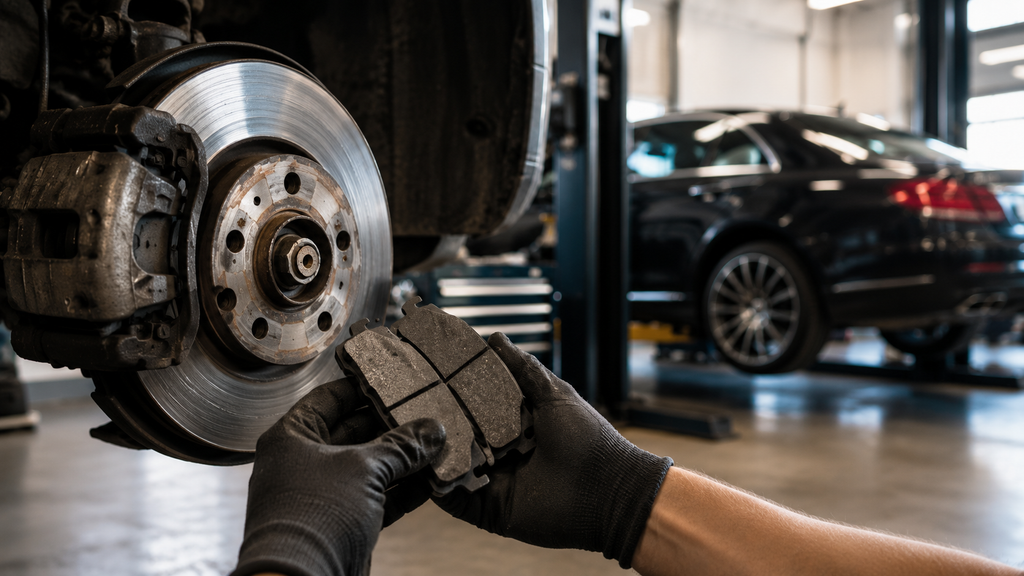
Your vehicle’s brakes should be inspected when you notice squealing or grinding noises, longer stopping distances, vibration, a soft brake pedal, or a brake warning light. Brake pads, rotors, calipers, and hydraulic components wear over time, so early inspection can help identify problems before braking performance becomes unsafe.
Recognizing early warning indicators allows you to address mechanical wear before it leads to catastrophic system failure. Ignoring worn components not only endangers everyone inside your vehicle, but it also transforms a routine maintenance task into an expensive, major overhaul. Knowing when your brake pads need immediate replacement helps maintain vehicle control, extends the lifespan of your rotors, and protects your wallet from unnecessary repair bills.
Why This Matters for Washington Drivers
Driving in Washington State puts unique physical demands on an automotive braking system. Commuters navigating wet, congested highways along the Puget Sound or stopping frequently in urban traffic across the Tri-Cities and Yakima deal with continuous friction heat. Rain-slicked asphalt and sudden stop-and-go congestion mean your braking response must be immediate and completely predictable at all times.
Furthermore, regional geography presents steep elevation changes and harsh seasonal weather. Navigating severe downhills through mountain passes like Snoqualmie or Blewett Pass generates extreme thermal stress on brake friction materials. According to driver safety recommendations from the National Highway Traffic Safety Administration, routine brake system maintenance is fundamental to preventing loss of control on steep grades and low-traction surfaces. Combining wet roads with worn friction pads significantly increases stopping distances, making proactive brake service essential for local motorists.
7 Signs Your Brake Pads Need Immediate Replacement
1. High-Pitched Squealing or Screeching Sounds
One of the earliest and most obvious indicators of pad wear is a high-pitched metallic squeal when applying the brakes. Brake manufacturers intentionally embed tiny metallic wear indicators inside the friction material. As the pad wears down to a critical thickness, this metal shim contacts the spinning iron rotor, producing an unmistakable warning noise. If you hear this high-pitched squeal consistently, your friction layer is nearly depleted.
2. Harsh Metallic Grinding Noises
If the initial squealing sound is ignored, it eventually degrades into a harsh, deep metallic grinding sound. This indicates that the friction material has worn away completely, causing the raw steel backing plate of the pad to grind directly against the bare metal rotor. At this stage, your brake pads need immediate replacement to prevent deep scoring, warping, or total destruction of the brake rotors and calipers.
3. Spongy or Soft Brake Pedal Response
When you depress the brake pedal, it should offer firm, immediate resistance. If the pedal feels unusually soft, mushy, or sinks almost to the floorboard before the vehicle slows down, there is a serious issue within the hydraulic or friction system. This sensation can stem from severely worn friction material requiring extended caliper piston travel, severe air pockets trapped inside the hydraulic lines, or a leaking brake fluid line.
4. Vehicle Pulling to One Side During Braking
If your vehicle pulls noticeably to the left or right when you apply the brakes, your brake pads are likely wearing unevenly across the front axle. This pulling effect occurs when one side experiences greater friction or caliper clamping force than the other. Uneven pad wear can be caused by a stuck caliper slider pin, uneven hydraulic pressure, or contaminated friction linings on one side of the vehicle.
5. Steering Wheel or Pedal Vibrations
Experiencing a pulsating brake pedal or a shaking steering wheel when slowing down from highway speeds is a classic sign of thermal damage. When brake pads wear paper-thin, they lose their ability to dissipate friction heat efficiently. This localized heat buildup can cause the metal brake rotors to warp or develop uneven friction deposits. The resulting surface variations cause the pads to bounce irregularly off the rotor, transmitting severe vibrations into the cabin.
6. Visual Inspection Reveals Thin Pad Friction
You do not always have to rely on sound or pedal feel to evaluate brake health; a quick visual inspection through your wheel spokes can reveal plenty. Look directly at the brake pad mounted against the flat surface of the circular rotor. If the visible friction material appears thinner than a quarter-inch (roughly 3 to 4 millimeters), you are operating on borrowed time. If it measures less than an eighth of an inch (3 millimeters), the vehicle is unsafe to drive and requires new pads right away.
7. Dashboard Warning Light Illumination
Many modern vehicles are equipped with sophisticated electronic brake pad wear sensors. When the friction material wears down to a preset limit, an internal circuit breaks and triggers a dedicated warning light on your instrument cluster. This light may appear as a yellow circle flanked by dotted arcs or a red brake warning symbol. Never ignore an active dashboard brake light, as electronic sensors provide accurate, real-time warnings before mechanical failure occurs.
Key Features and Considerations for Brake Maintenance
Understanding Friction Material Compounds
When selecting new components, understanding the differences between friction compounds helps you match your driving style to the right product:
- Organic Brake Pads: Made from non-metallic fibers bonded with resin. They offer quiet operation and gentle rotor wear but wear down quickly under heavy loads.
- Semi-Metallic Brake Pads: Formed from copper, iron, and steel alloys. They deliver exceptional stopping power and heat dissipation for heavy hauling and mountain driving, though they produce higher dust levels.
- Ceramic Brake Pads: Constructed from dense ceramic compounds mixed with copper fibers. They provide exceptionally quiet stopping power, ultra-low dust, and long service life for everyday commuting.
The Role of Brake Rotors and Fluid
Replacing worn pads is only one part of maintaining a healthy stopping system. Brake rotors must be measured for minimum thickness and inspected for heat cracks or deep grooves. If the rotors are damaged or thin, installing fresh pads over them will cause rapid, uneven pad wear and persistent vibration. Additionally, brake fluid absorbs ambient moisture over time, lowering its boiling point and causing internal corrosion. Flushing fresh brake fluid every two to three years ensures consistent hydraulic pressure.
According to consumer safety maintenance guidelines provided by AAA Automotive, inspecting your brake pad thickness with every routine tire rotation prevents unexpected brake fade and expensive rotor replacement.
Common Mistakes to Avoid
A frequent mistake vehicle owners make is delaying service until the braking system becomes noisy or unresponsive. Operating a vehicle with severely degraded pads rapidly damages the rotors, calipers, and wheel bearings, turning a simple pad swap into a major, costly repair.
Another major oversight is replacing friction pads on only one side of an axle. Brakes must always be serviced in full axle pairs (both front wheels or both rear wheels) to maintain balanced stopping force. Replacing only one side creates uneven braking traction, which can cause unpredictable swerving during emergency stopping maneuvers. If you prefer to source authentic factory components designed specifically for your vehicle model, ordering directly through our genuine OEM brake parts department guarantees precise fitment and long-lasting durability. Industry evaluations by Car and Driver consistently show that using factory-spec friction materials maintains the vehicle’s original safety parameters far better than cheap aftermarket alternatives.
Expert Tips for Extending Brake Life
- Practice Smooth Deceleration: Avoid abrupt, late braking at red lights; coasting early allows engine braking to reduce momentum before you engage the pedal.
- Lighten Your Cargo Load: Carrying unnecessary heavy items in your trunk or bed forces the braking system to dissipate significantly more kinetic energy during every stop.
- Avoid Riding the Brakes on Downhills: When descending long mountain passes, downshift to a lower gear to let engine braking manage your speed rather than holding continuous brake pedal pressure.
- Schedule Regular Inspections: Have a certified technician perform a visual inspection of your pad thickness and rotor condition during every routine tire rotation.
Frequently Asked Questions
How long do standard brake pads typically last?
Under normal driving conditions, brake pads generally last between 30,000 and 70,000 miles. However, driving habits, heavy towing, mountain terrain, and severe stop-and-go traffic can shorten that lifespan significantly.
Can I just replace my brake pads and not the rotors?
If your brake rotors meet the manufacturer’s minimum thickness specifications and show no surface scoring, cracking, or heat warping, you can replace just the pads. However, resurfacing or replacing rotors alongside new pads ensures the best friction contact and eliminates pedal vibration.
How do I know if my brake pads need immediate replacement?
Your brake pads need immediate replacement if you hear harsh metallic grinding, feel a soft or spongy pedal, experience severe wheel shaking while slowing down, or see that the friction material is thinner than an eighth of an inch.
Why does my car squeal when I brake softly in the morning?
A light squeal on cold mornings is often caused by a thin layer of surface rust forming on the iron rotors overnight due to ambient humidity. This noise usually disappears after a few initial stops clear the surface dust. Independent consumer studies from J.D. Power note that temporary morning noise is common and harmless unless the squealing persists throughout your drive.
Final Thoughts
Recognizing the warning indicators of brake failure is fundamental to maintaining a safe, reliable vehicle on Washington roads. Whether you notice high-pitched metallic squealing, pedal vibrations, or reduced stopping power, addressing these warning signs promptly prevents extensive rotor damage and keeps your vehicle performing at its absolute best.
If you suspect your stopping system is compromised, scheduling a comprehensive inspection with our certified service department will ensure factory-trained technicians restore your vehicle’s safety parameters quickly. According to owner support guidelines published by Kelley Blue Book, staying proactive with routine chassis maintenance is the single best way to maximize vehicle safety and maintain high resale value.
Ready to find your next vehicle? Visit Speck Dealerships today — or browse our inventory online.
